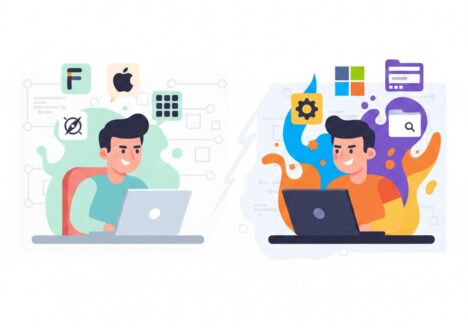
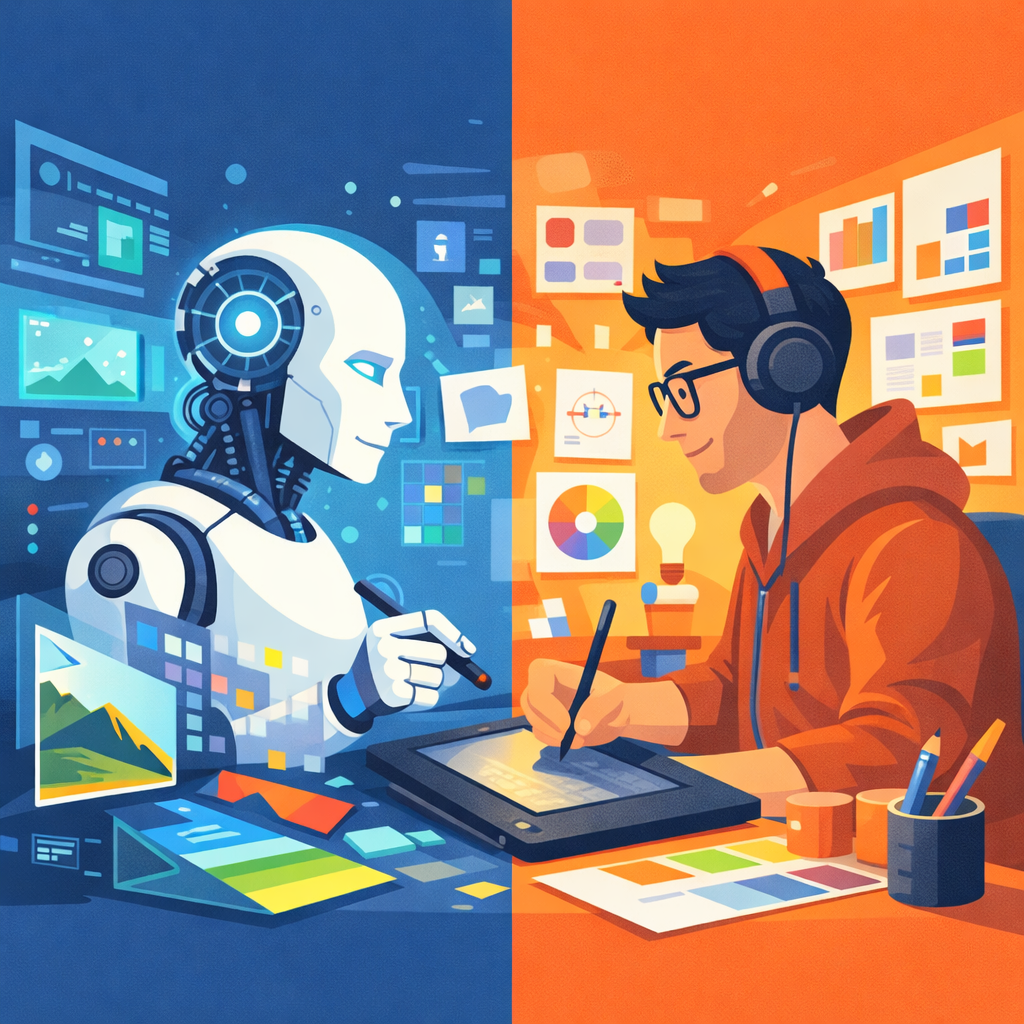
In recent years, the design industry has undergone a significant transformation with the emergence of artificial intelligence in creative production tools. Tasks that once required hours of manual work can now be completed in seconds using algorithms capable of generating images, layouts, and design concepts automatically. This shift has raised an important question within the design community: Is artificial intelligence becoming a competitor to designers, or simply a powerful tool in their hands?
The Rise of AI-Powered Design Tools
Over the past few years, several platforms have emerged that rely on generative AI to create visual content. Among the most prominent tools are:
- Midjourney
- DALL-E
- Adobe Firefly
These platforms allow users to write a short textual description and instantly generate images or visual concepts. This capability has dramatically accelerated the idea exploration phase in design, allowing designers to experiment with multiple directions in a very short time.
What AI Can Already Do in Design
Artificial intelligence has proven highly effective in several design-related tasks, including:
- Generating backgrounds and illustrations
- Creating initial logo concepts
- Producing mockups and layout drafts
- Editing images, such as background removal or enhancement
These capabilities make AI a powerful assistant, particularly during the early stages of the design process.
Where Human Designers Still Lead
Despite its rapid progress, AI still struggles to replicate several core aspects of professional design work, including:
- Understanding brand identity and building visual systems
- Interpreting cultural context and audience expectations
- Translating strategy into a coherent visual language
- Making nuanced creative decisions
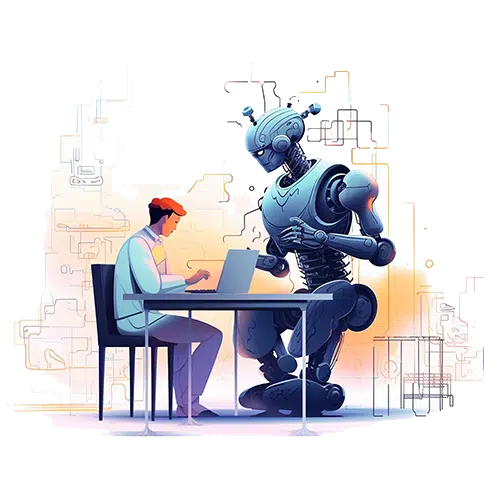
AI can generate visual elements, but it cannot fully grasp meaning, narrative, and brand positioning in the same way a human designer can.
How the Designer’s Role Is Evolving
With the rise of AI tools, the designer’s role is gradually shifting. Instead of focusing solely on manual execution, designers increasingly act as creative directors of the design process. In many workflows, designers now:
- Guide AI systems through precise prompts
- Curate and refine generated outputs
- Define the visual direction and brand consistency
In this sense, the designer moves from being a technical executor to becoming a creative strategist who directs intelligent tools.
Skills Designers Will Need in the AI Era
As the design landscape evolves, certain skills are becoming increasingly valuable:
- Writing effective prompts for generative tools
- Strategic thinking in brand development
- Understanding digital product and user experience design
- Combining human creativity with intelligent systems
Designers who develop these skills will be better positioned to leverage AI rather than compete with it.
Conclusion
Artificial intelligence does not mark the end of the design profession. Instead, it represents a new phase in its evolution. AI tools can accelerate workflows and expand creative possibilities, but they cannot replace human vision, interpretation, and strategic thinking.
The real question is no longer: Will AI replace designers? The more relevant question is: Will designers who ignore AI be replaced by designers who know how to use it effectively?