The Importance of Unified Brand Identity in Product Design
A unified brand identity is a critical pillar in building a strong, recognizable, and trusted presence in the market. Consistency across product design does not only reflect the company’s professionalism; it also strengthens customer trust and reinforces the brand’s visual memory across all touchpoints.
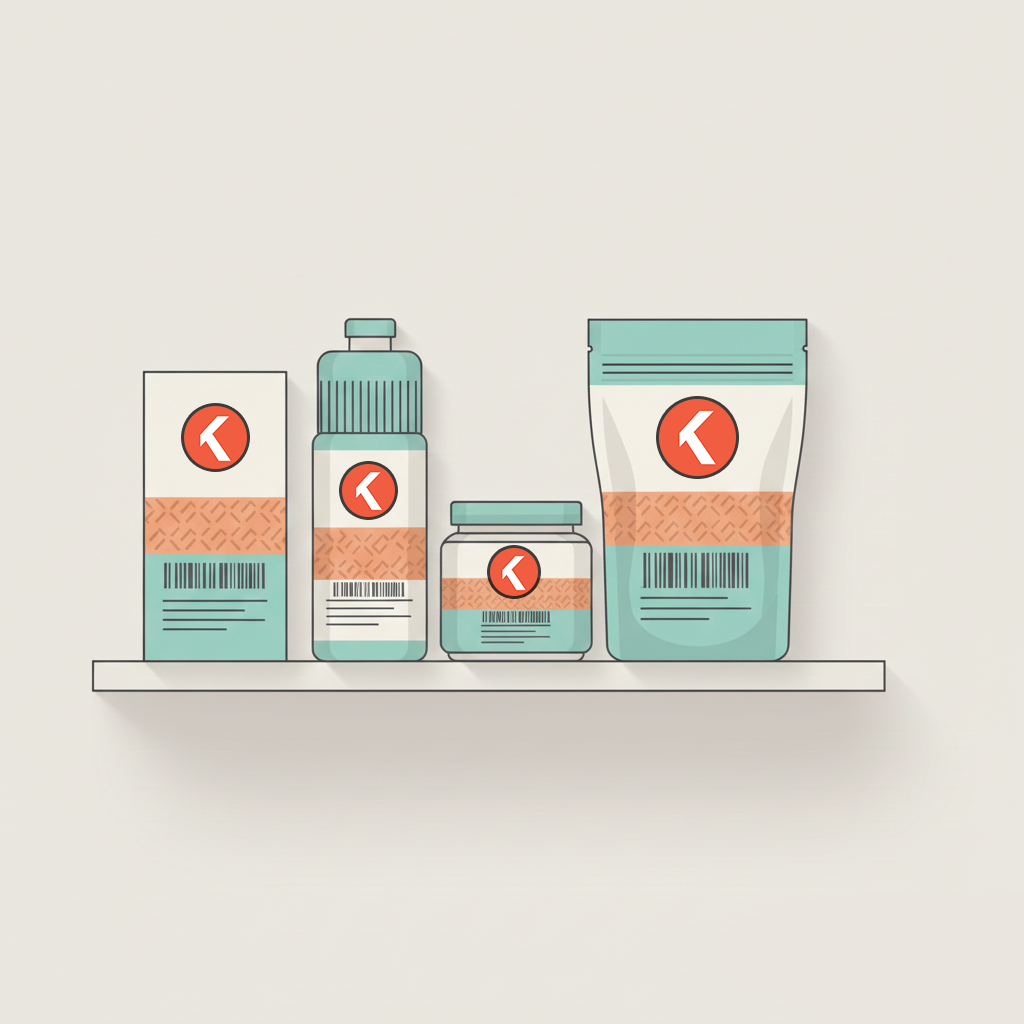
First, a unified identity ensures consistent communication across all products and channels. When customers encounter products that share the same visual language—colors, typography, proportions, and packaging style—they experience a sense of coherence. This consistency enables faster brand recognition and supports customers in making confident purchasing decisions.

Second, unifying brand identity helps enhance the overall brand value. Leading brands are often recognized by their visual cues before their names. A coherent design system signals stability, operational maturity, and a clear brand personality. As a result, customers develop stronger trust and a more positive perception of the company.

Third, a unified identity streamlines internal workflows and marketing efforts. With a standardized visual system, producing marketing materials becomes more efficient, faster, and less costly. It ensures that design, marketing, and production teams work within the same framework, reducing errors and ensuring professional, consistent outcomes across all deliverables.
Fourth, visual consistency significantly improves market competitiveness. In a crowded marketplace where customers are exposed to countless products every day, a unified identity helps products stand out—on shelves, online, and in advertising. This strengthens the brand’s competitive edge by focusing on distinctiveness and clarity, not solely on price or product specifications.
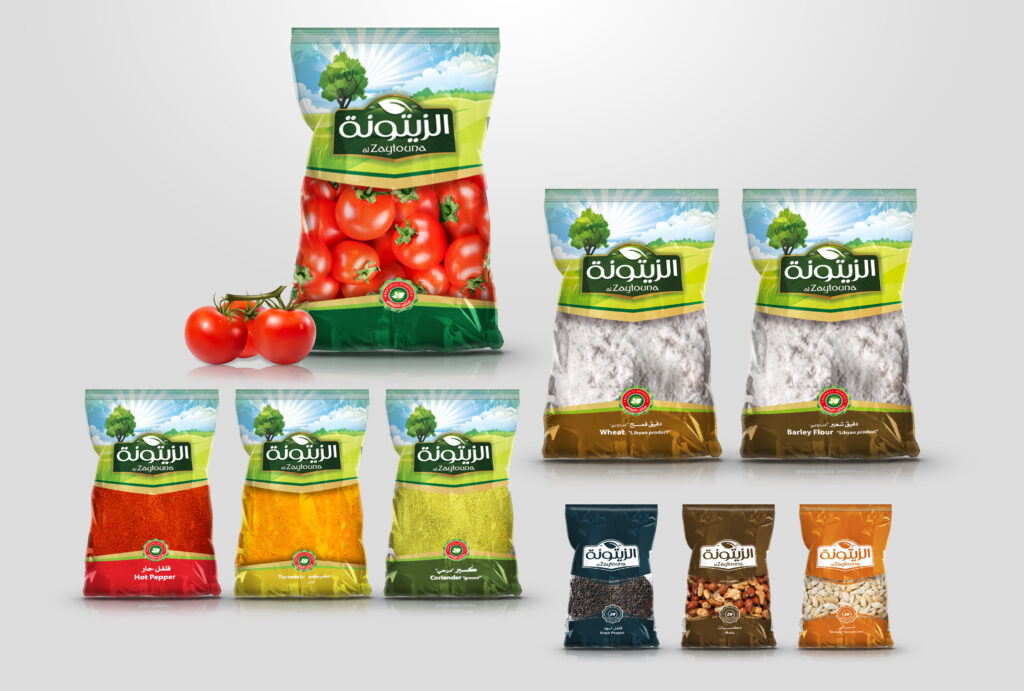
Finally, a cohesive identity contributes to a more intuitive and enjoyable user experience. Unified elements—from packaging structure to information hierarchy and visual style—create clarity for the user, minimizing confusion and elevating the perceived quality of the product. This positive experience fosters loyalty and increases the likelihood of repeat purchases.
Conclusion
Unifying brand identity in product design is not merely an aesthetic decision; it is a strategic investment that enhances visual communication, strengthens brand reliability, and improves product performance in the market. Companies that adopt a consistent and well-defined identity build stronger visibility, cultivate deeper customer connections, and secure long-term competitive advantage.