Advertising in Libya: An Analytical Review of Market Dynamics and Digital Transformation
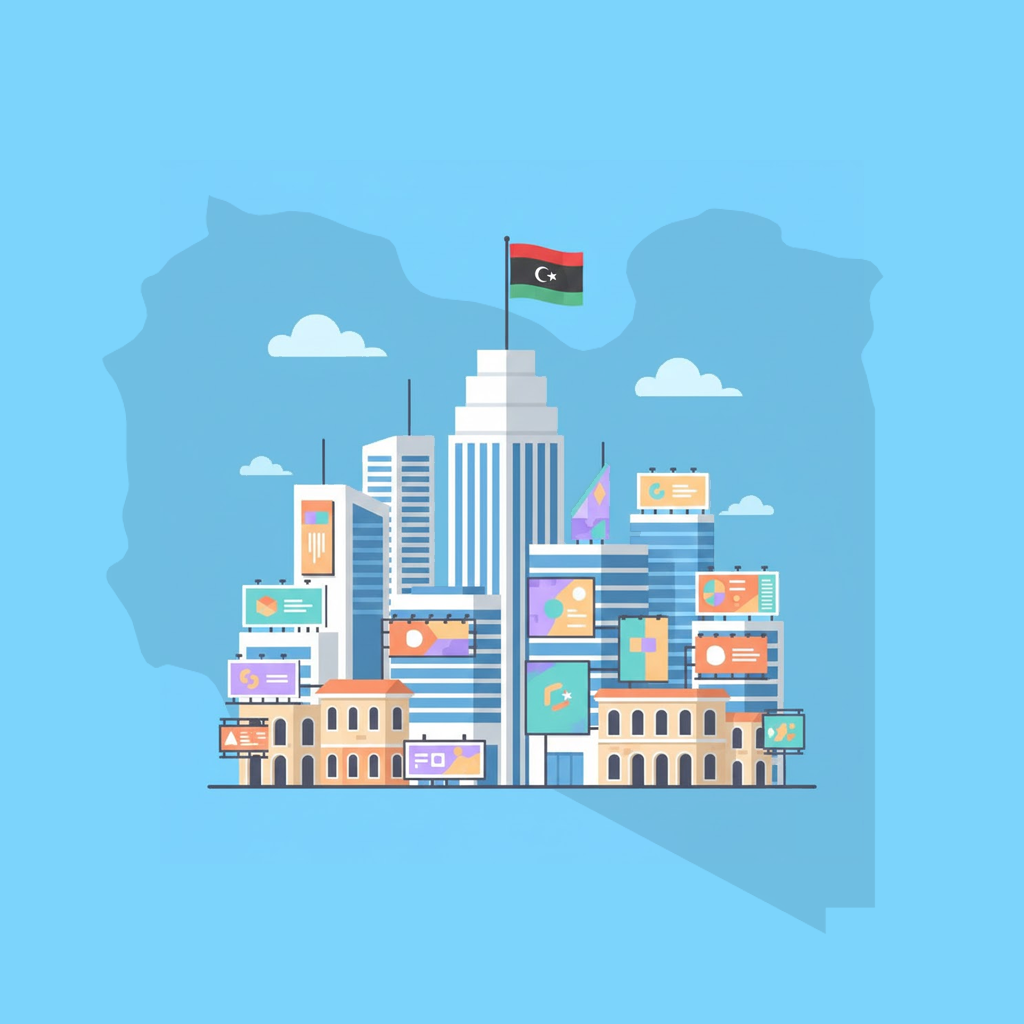
The advertising sector in Libya is undergoing a complex transitional phase shaped by economic fluctuations, uneven infrastructure, and evolving consumer behavior. Despite the absence of comprehensive data or formal market studies, observable indicators reveal a clear shift toward a more mature advertising landscape and a growing demand for professional digital communication solutions—particularly in commercially active cities such as Tripoli, Benghazi, and Misrata.
1. Market Structure: A Fragmented Yet Opportunity-Driven Environment
Libya’s advertising market is characterized by limited institutional organization and the presence of numerous small agencies with varying levels of professionalism. This fragmentation fuels cost-based competition rather than value-based differentiation, hindering the adoption of internationally recognized standards in media planning and brand communication.
Nevertheless, several factors continue to create favorable conditions for growth:
-
Expansion of the private sector and the rise of new enterprises.
-
Increasing need for professional brand development in a market built on trust and reputation.
-
Rapid growth of the internet as a primary commercial and promotional channel.
These trends open significant opportunities for agencies that deliver integrated, strategy-driven branding and digital communication services.
2. Digital Transformation: The Most Influential Driver of Market Change
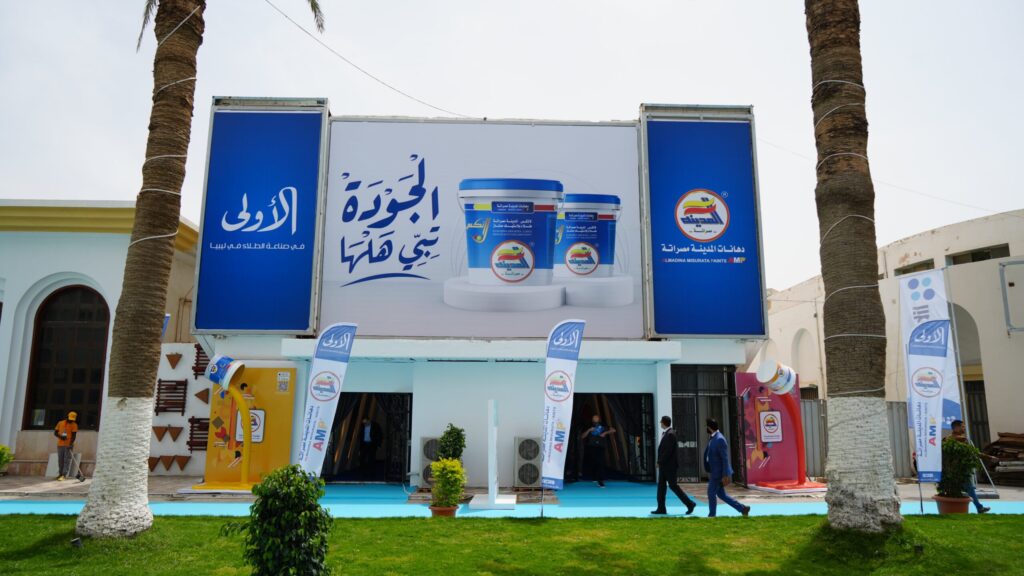
Digital channels—most notably Facebook, Instagram, and TikTok—dominate the Libyan advertising landscape due to local demographic behavior and consumption patterns. Key observations include:
-
Digital campaigns enable precise geographic targeting within cities and regions.
-
Short-form visual content achieves the highest engagement rates among Libyan audiences.
-
Businesses increasingly recognize that content quality, not solely paid promotion, is essential for building credibility.
The growing adoption of e-commerce has further accelerated demand for:
-
Professional website design and development.
-
Conversion-optimized landing pages.
-
Structured content management.
-
Cohesive, digitally-oriented brand identities.
3. Structural and Organizational Challenges
A) Lack of Reliable Market Data
The absence of official statistics on advertising spend, audience segmentation, and market performance forces agencies to rely heavily on campaign analytics instead of comprehensive strategic insights.
B) Infrastructure Variability Across Cities
Digital performance varies significantly between regions due to differences in connectivity and user behavior. For example, a campaign may perform strongly in Misrata but require adjustments in other cities with lower digital activity.
C) Limited Strategic Awareness Among Businesses
Many organizations still treat advertising as a short-term activity rather than a long-term investment in brand equity, resulting in inconsistent and low-impact communication.
D) Underdeveloped Traditional Media Channels
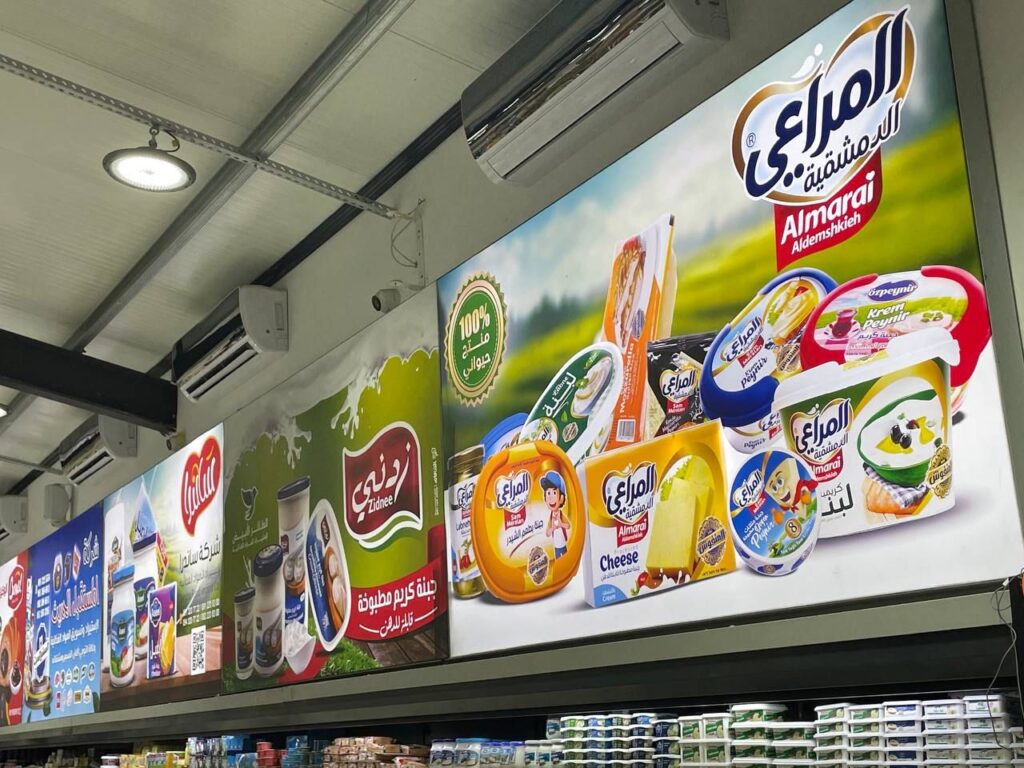
Compared to regional markets, Libyan TV and radio platforms lack the organizational maturity needed to serve as reliable, scalable advertising channels, driving businesses toward digital alternatives.
4. Market Opportunities: Where the Sector Is Headed
A) Rising Demand for Professional Branding
As competition intensifies, businesses increasingly seek strong, coherent brand identities supported by expert visual and verbal communication frameworks.
B) Integration of Digital Advertising with Professional Websites
There is clear momentum toward merging advertising efforts with high-quality digital assets to improve conversion rates and streamline the customer journey.
C) Growing Adoption of Performance Analytics
Large organizations are beginning to use data analytics tools for audience insights and campaign performance evaluation, marking a key step toward a more sophisticated advertising ecosystem.
D) Heightened Need for High-Quality Content
Audiences are more responsive to structured, credible, and visually refined content. This shift creates strong demand for specialized content production and brand-aligned messaging.
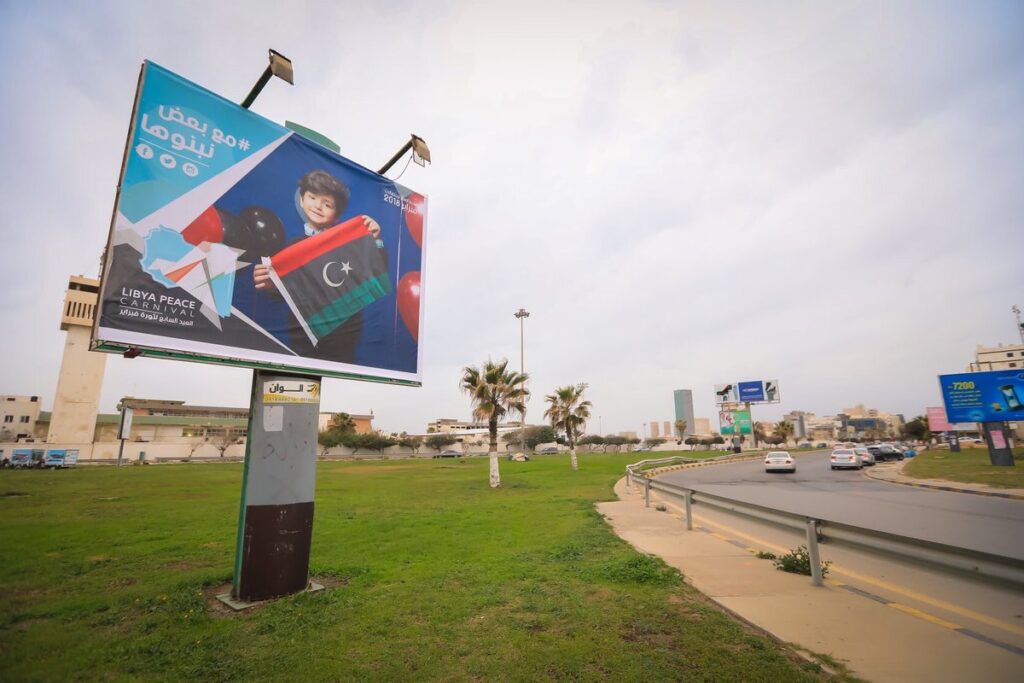
5. Future Outlook: Toward a More Professional and Data-Driven Market
The advertising sector in Libya is expected to move toward:
-
Broader integration of AI tools for ad optimization and audience analysis.
-
Increased demand for strategic consultation beyond basic execution.
-
A shift from short-term campaigns to sustainable digital presence.
-
Growth of full-service agencies offering branding, website development, content, and campaign management under one framework.
This trajectory indicates a more competitive and professionally demanding market, creating substantial opportunities for agencies committed to quality, strategy, and innovation.